Wellbeing Drives Success: The People-First Approach at Gravitate Accounting
Running a business can get hectic, and it’s all too easy to lose sight of what really matters: looking after ourselves, our teams, and the people around us. At Gravitate - an award-winning digital accounting firm based in Kelham Island, Sheffield - Sam Newton and his team have built a business where wellbeing, connection, and culture aren’t just buzzwords, but part of everyday life.
We sat down with Sam to hear how putting people and their wellbeing first has shaped the way they work, the way their teams grow, and the way the whole business thrives. There’s plenty to learn from how simple, thoughtful wellbeing initiatives can make a real difference - both for people and for business results.
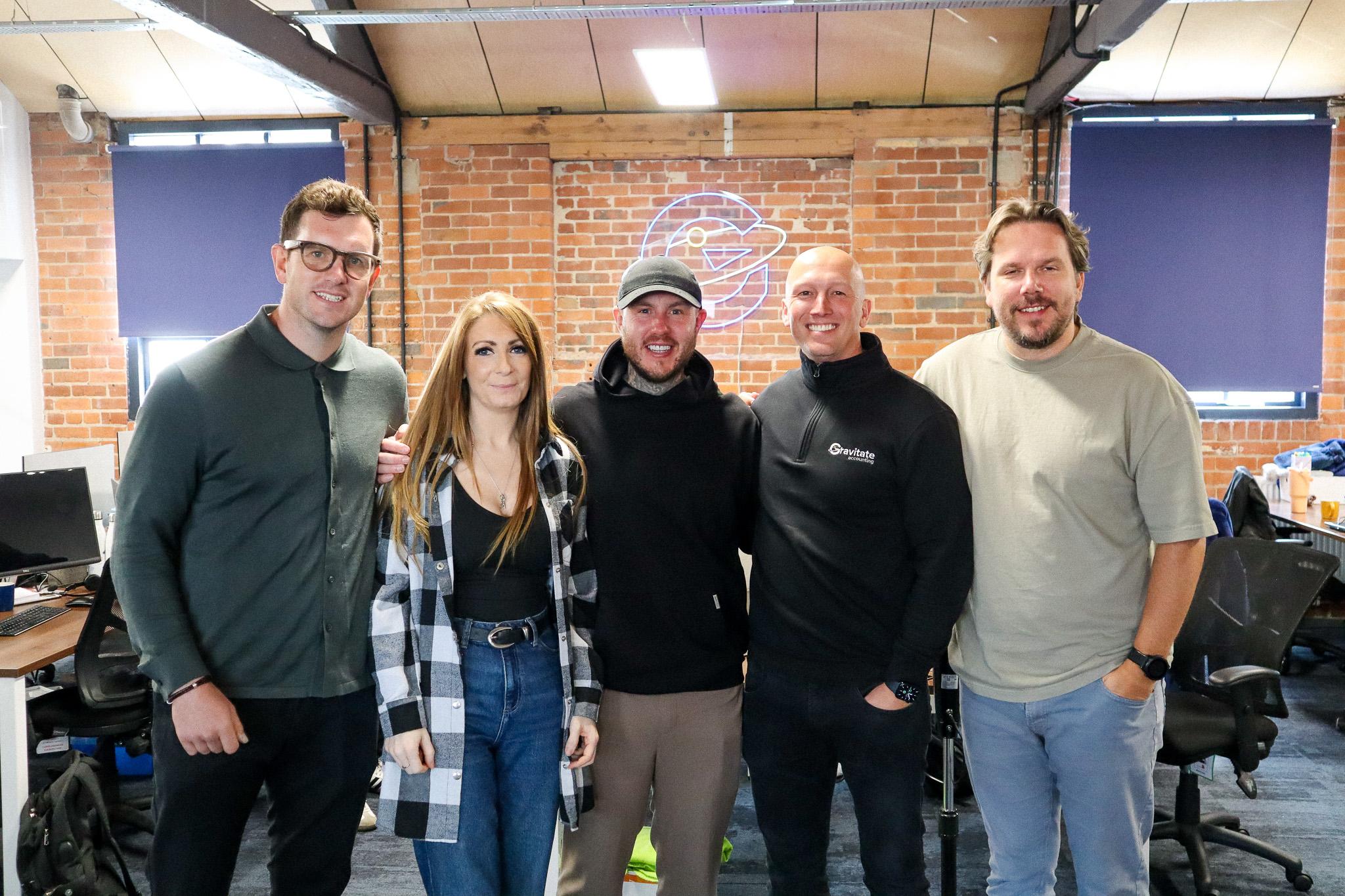
You’ve built a business where employee wellbeing isn't just a perk, it's embedded in your culture. What inspired you to make health and wellbeing such a core focus?
Building well-being into our culture was shaped by both personal experience and what I saw in our business. My brother struggled with severe mental health challenges from his late teens, including intrusive thoughts and ADHD, and for a long time he suffered in silence. What helped him most was exercise and eventually speaking openly about his experiences. Watching that journey showed me how common and hidden these struggles can be, and how powerful it is when people feel able to talk. That really stayed with me.
At the same time, we built a very young, ambitious team in a high-performance environment. The work offers huge progression and learning, but it’s intense. I realised that if we wanted to be a truly great employer, we couldn’t ignore that pressure, we had to actively support people through it. So, we invested in Mental Health First Aid training, created structured wellbeing sessions, encouraged open conversations about coping mechanisms, and made vulnerability normal at leadership level. For me, it’s about creating a safe space where people can talk honestly, support each other, and perform at their best, because wellbeing isn’t a perk, it’s the foundation of sustainable success.
What specific initiatives or habits have you introduced within your business to support the physical and mental wellbeing of your employees? Which have had the biggest impact?
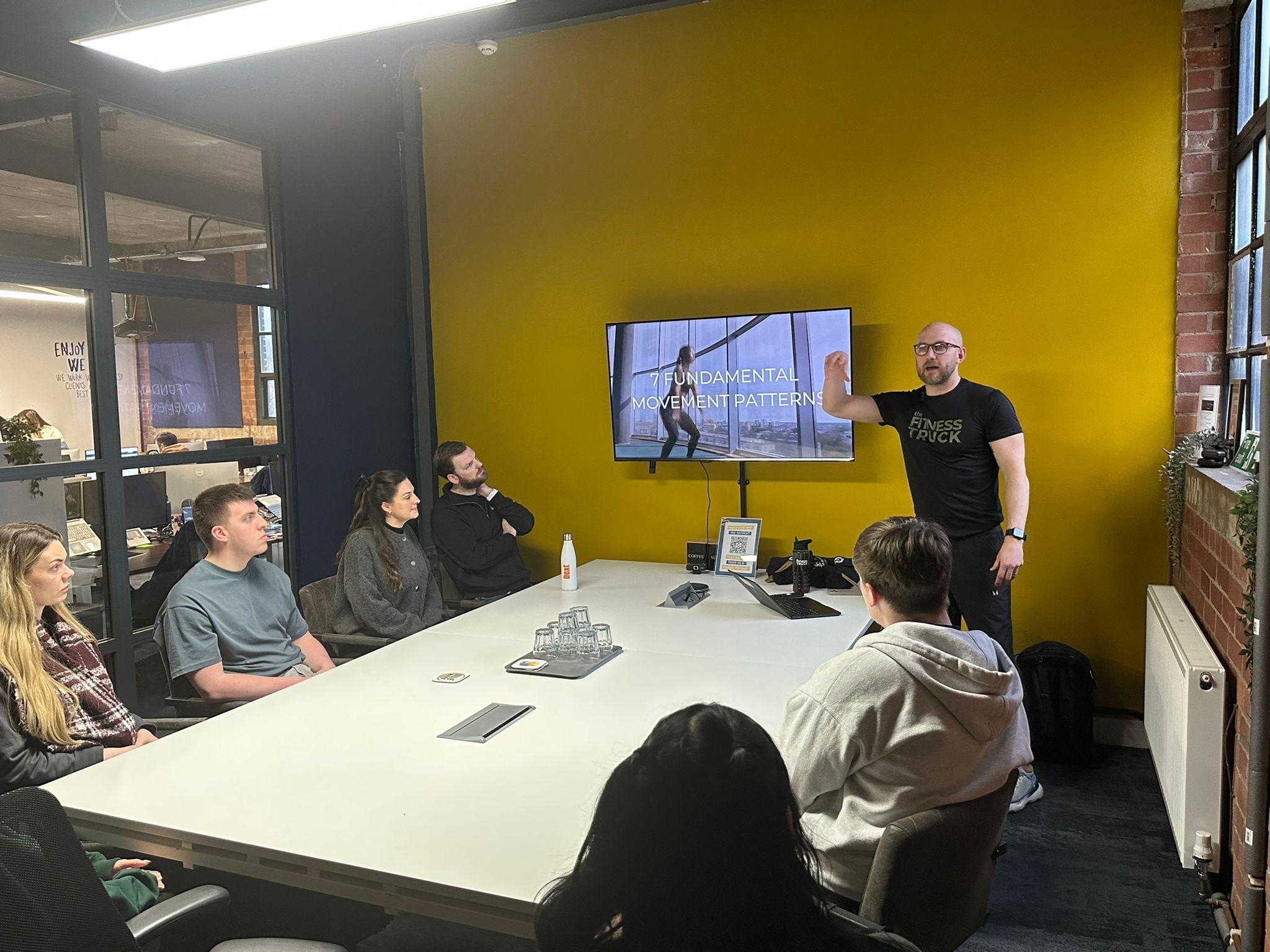
We’ve introduced a range of initiatives across physical, emotional, social and financial wellbeing, because we recognise that support needs to be holistic. On the physical side, one of our biggest initiatives is a weekly on-site “fitness truck” session where the team trains together every Wednesday. We chose this over subsidised gym memberships because it builds accountability and team bonding, we have anywhere from 5-15 people attend, and it’s become a shared habit rather than an individual perk. We also run step and movement challenges, encourage lunchtime runs, and try to create an environment where being active is normal and visible.
For mental and emotional wellbeing, we hold quarterly open wellbeing sessions focused on topics like coping mechanisms, and we’ve invested in Mental Health First Aid training. We also provide access to a wellbeing platform and one-to-one support through LightsOnXP, founded by my brother, which offers confidential conversations and lived-experience guidance. Socially, we organise quarterly events and annual strategy days to maintain connection, and we promote financial literacy and practical support through our benefits programme. In terms of impact, the fitness sessions have had the biggest collective effect in bringing people together and improving energy, while the one-to-one wellbeing support is likely the most powerful at an individual level, even if it’s quieter and less visible.
From your perspective as a small business owner, how does investing in well-being influence performance, retention, and the overall culture of your business?
Investing in wellbeing has a direct impact on performance because when people feel physically and mentally well, they simply perform better. I’ve experienced that personally, after injuries that stopped me exercising, I felt the difference in my energy, mindset and focus. When I’m training regularly and looking after myself, I think more clearly, feel more positive and work better. So, I know that by supporting our team’s physical and mental health, we’re helping them show up at their best. While it’s hard to measure precisely, you can see the difference in energy, confidence and resilience.
In terms of retention and culture, it absolutely strengthens both. We’ve seen people grow in confidence through the wellbeing initiatives, for example, team members who’ve gone from doing very little exercise to running regularly and signing up for events. That shift spills over into their work and how they engage with others. Our retention is strong, and I believe that’s partly because people feel supported and valued, not just as employees but as individuals. It creates a culture where conversations are open, healthy habits are encouraged, and people genuinely want to be part of the team, which makes it a more positive, high-performing place to work overall.
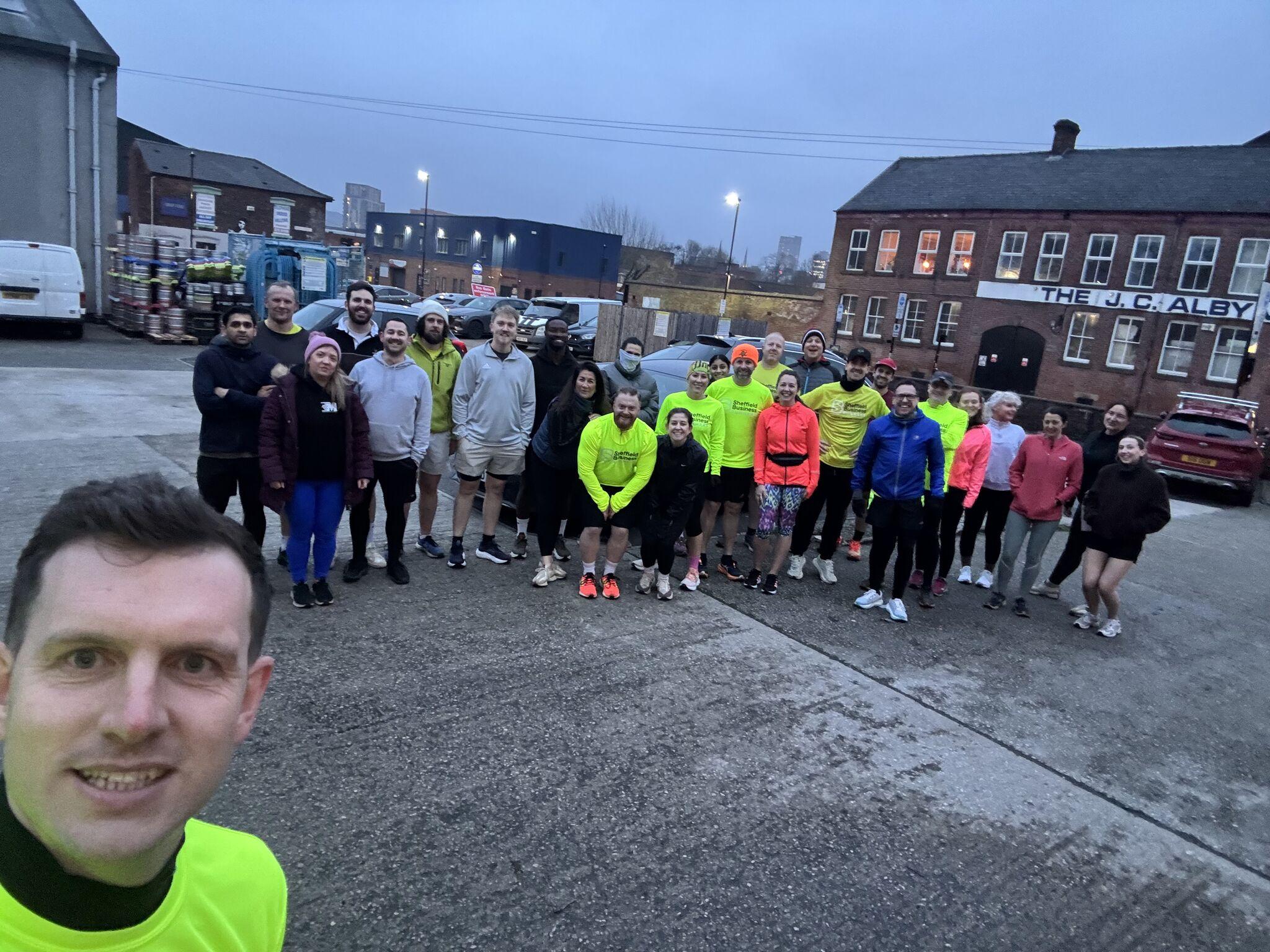
You’re one of the founders of Sheffield Business Runners. Tell us how it all started, and how it grew from a casual run into a genuine community?
Sheffield Business Runners started very simply. Hannah Duraid put a post on LinkedIn about wanting to run in January instead of doing the usual “dry January” challenge, and a few of us responded. Nothing really happened at first, so we set up a WhatsApp group and just decided to pick a day and make it happen. We chose Monday evenings to bridge the gap between people with rigid work schedules and those running their own businesses. The first session was small, but bringing in someone with running experience helped, and we focused on making it welcoming and inclusive from day one, asking people to introduce themselves and keeping it informal and friendly.
What began as a casual Monday run has grown into a genuine community. It now includes runners of all levels (from walkers to sub-24-minute 5Ks), structured pace groups, business support, quarterly socials, and even spin-offs like walking groups and padel events. The aim was always to create an alternative to traditional, stuffy networking, something active and inclusive. Now it’s a space where people build friendships, improve their fitness, support each other’s businesses and share opportunities. It’s grown organically because it attracts good people, and everything runs through a simple community chat that makes it easy for anyone to get involved.
If anyone reading this would like to join the community and get involved, please DM Sam on LinkedIn!
For other business owners who want to better support employee wellbeing but don’t know where to start, what simple, realistic steps would you recommend?
I’d say the starting point is simple: start with honest conversations. Create a culture where people feel safe to talk, and lead that by example. If you’re open about your own challenges or pressures, it gives others permission to do the same. You can also nominate a trusted person in the team as a wellbeing contact, so employees know there’s someone approachable they can speak to. Without open dialogue, you don’t really know what people are dealing with or what support would help.
From there, involve your team in shaping the support you provide. Rather than copying a list of trendy benefits, ask employees what would genuinely make a difference to them, even through anonymous feedback if needed. Not every initiative works in every business, and there’s no point investing in something people won’t use. Wellbeing support needs intention and follow-through, just like any other business initiative. Start small, listen carefully, and build from what your team actually values.
Sam’s insights really show the difference you can make when people come first - whether that’s through wellbeing initiatives, building supportive communities, or creating a culture where everyone can thrive. At Inclusive Consulting, we’re all about the same philosophy. We love helping businesses build strong, happy teams and supporting people in their career journeys.
If you’re thinking about how to make wellbeing part of your business, or if you’re exploring your next career move, we’d love to chat and see how we can help you make it happen.