.png&w=3840&q=75)
A Conversation with Bhayani Law: Neurodiversity in the Workplace
As conversations around neurodiversity, ED&I, and inclusion continue to evolve, many organisations are grappling with how to balance legal compliance, commercial pressures, and genuinely inclusive practice. With the Employment Rights Bill (ERB) now passed and a focus on employee rights, as well as tribunal claims continuing to rise, getting this right has never been more important.
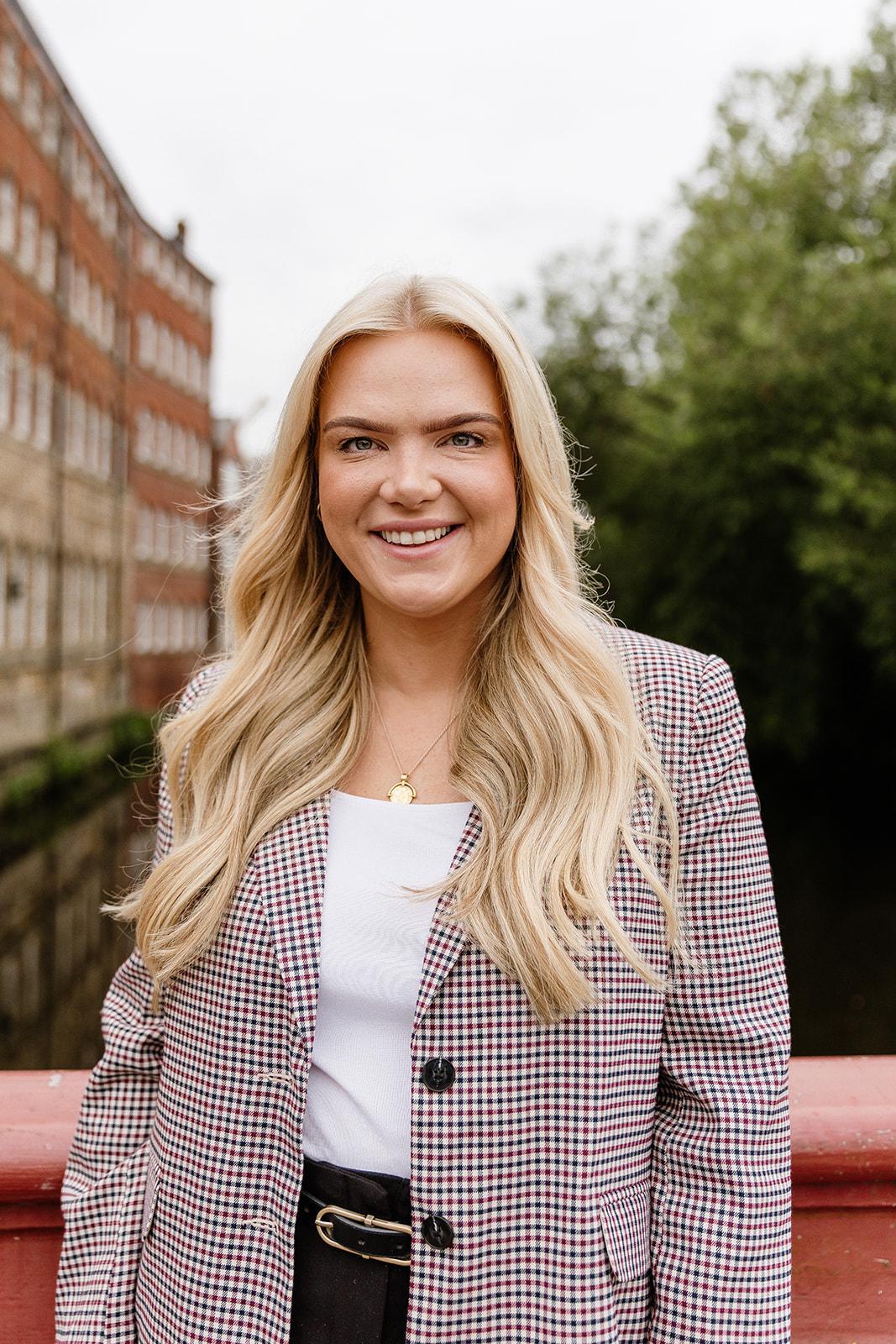
We spoke to Zoi Pisourika from Bhayani Law, an employment law firm working closely with employers across the Sheffield region and beyond. Zoi shared her perspective on why neuroinclusion matters, where organisations are still getting stuck, and how practical, well-judged changes can make a real difference for both people and performance.

With changes to the Employment Rights Bill and growing focus on fairness at work, why is neurodiversity something organisations need to take seriously now?
The Employment Rights Bill passed in December and, while it doesn’t specifically focus on discrimination, it clearly signals how important fairness and employee protection have become. Although we’re seeing a global pushback against some ED&I initiatives, employment law in the UK is moving firmly in the opposite direction.
Discrimination claims through the tribunal system are increasing — they’re not going away. Employers who don’t take neurodiversity and inclusion seriously may face claims that are costly, time-consuming, and damaging to reputation. From a legal and commercial perspective, it’s far better to focus on prevention and early action than to deal with significant issues further down the line.
Neurodiversity is talked about more than ever. Where do organisations still struggle to turn intent into action?
While awareness of the term “neurodiversity” has grown, understanding hasn’t always followed. Many organisations still don’t fully understand what neurodivergence means in practice, or how being neurodivergent can impact someone’s experience at work. Before businesses can meaningfully adapt their processes or create inclusive environments, they need that foundational understanding. Without it, inclusion efforts often remain well-intentioned but ineffective.
When neurodivergent employees aren’t properly supported, what are the real consequences - for people and for the organisation?
For individuals, lack of support often means they’re unable to perform at their best. It can feel demotivating and, at times, devaluing - particularly when small changes could make a big difference. Most neurodivergent people want to do the best job they can; they may simply need to work in a slightly different way.
For organisations, the impact shows up in areas like engagement, retention, and performance. If employees aren’t properly supported, those metrics will suffer, and that ultimately affects the bottom line. In more serious cases, unresolved issues can escalate into tribunal claims, bringing financial, operational, and reputational risk.
Where do you most often see neurodivergent candidates unintentionally excluded during recruitment, and what simple changes can employers make?
The recruitment process should be as inclusive as possible so that everyone has the same opportunity to succeed, and organisations can hire the best talent available – irrespective of if they’re neurodivergent or not.
A job advert is often the first and best opportunity for an organisation to present itself to talent externally. It’s a window into culture, yet many businesses don’t make the most of it to promote their business. Simple changes can include clearly signposting reasonable adjustments in job adverts and interview invitations, and actually asking candidates what support they might need as they move through the process. Structured recruitment processes also help - letting candidates know how many stages there are and what to expect reduces anxiety and enables people to perform at their best.
As part of our training, we run exercises where we review job adverts and recruitment processes to identify unconscious bias and adapt them to be more inclusive.
Why is onboarding such a critical moment for neurodivergent employees, and what does good look like in practice?
Trust is the key word here. A good recruitment process sets expectations, but onboarding is often the make-or-break moment. Poor or inconsistent onboarding can quickly undermine the opportunity for a new hire. For neurodivergent employees, knowing what to expect in the first few months - and being clear about expectations – can be particularly important. Open conversations from day one about reasonable adjustments help build trust, which then develops throughout the employee journey.
This is something we go into detail about in our training; we workshop how organisations can support line managers to onboard new hires confidently and effectively.
How much impact do line managers have on whether neurodivergent employees thrive?
Line managers have the greatest impact, which is why training and support for them is so critical. Their understanding and approach can shape whether an employee has a positive or negative experience at work. Employees should feel able to communicate openly with their manager and trust them. Managers, in turn, should ask open, curious, and respectful questions to ensure the working environment fits the individual.
In neuroinclusive organisations, managers feel confident addressing issues early or knowing when to seek guidance from HR or senior leadership - reducing risk and preventing escalation.
Reasonable adjustments can often feel complex. In reality, what do effective adjustments involve?
Reasonable adjustments vary from person to person, which can feel overwhelming. But it really comes down to having the confidence to start the conversation.
You could list hundreds of potential adjustments and still not cover every situation. What matters most is effective questioning, listening, and understanding the employee’s position - then working creatively to find solutions that work for both the individual and the business.
In tough economic conditions, inclusion can be seen as a “nice to have”. How does neuroinclusion support performance, retention, and the bottom line?
There’s a false perception that inclusion is costly. In reality, the time and energy spent managing escalated disputes around reasonable adjustments, sickness absence, or performance issues can far outweigh the cost of doing things well from the start. One unresolved issue can drain significant management and HR resource, not to mention legal fees or potential compensation.
Organisations that see inclusion as integral to their culture often experience reduced turnover, improved performance, and fewer long-term absences. There’s less time spent managing problems and more focus on productive work - making a strong commercial case for inclusion.
If someone leaves your training having changed just one or two things, what would you hope those changes would be?
If someone leaves having changed just one or two things at all, that’s a success.
Ideally, helping HR professionals and line managers feel more confident having conversations about reasonable adjustments and adapting practices. Or coming away with the understanding that inclusion isn’t a one-off initiative - it’s part of organisational culture. Consistent, long-term change across many people is what moves businesses forward on their inclusion journey.
If you're interested in learning more, Bhayani Law are delivering a half-day Neurodiversity in the Workplace training programme designed for HR professionals, managers, and team leaders who want practical tools to support neurodivergent employees across the full employment lifecycle.
The session combines legal insight, real-world examples, and interactive discussion.
· Date: Tuesday 27 January 2026
· Time: 9.30am – 1.30pm
· Format: Online via Zoom
You can view full details and book a place here.
For any questions about the session, future sessions in 2026, or bespoke training options, you can contact Zoi directly at zoi@bhayanilaw.co.uk.