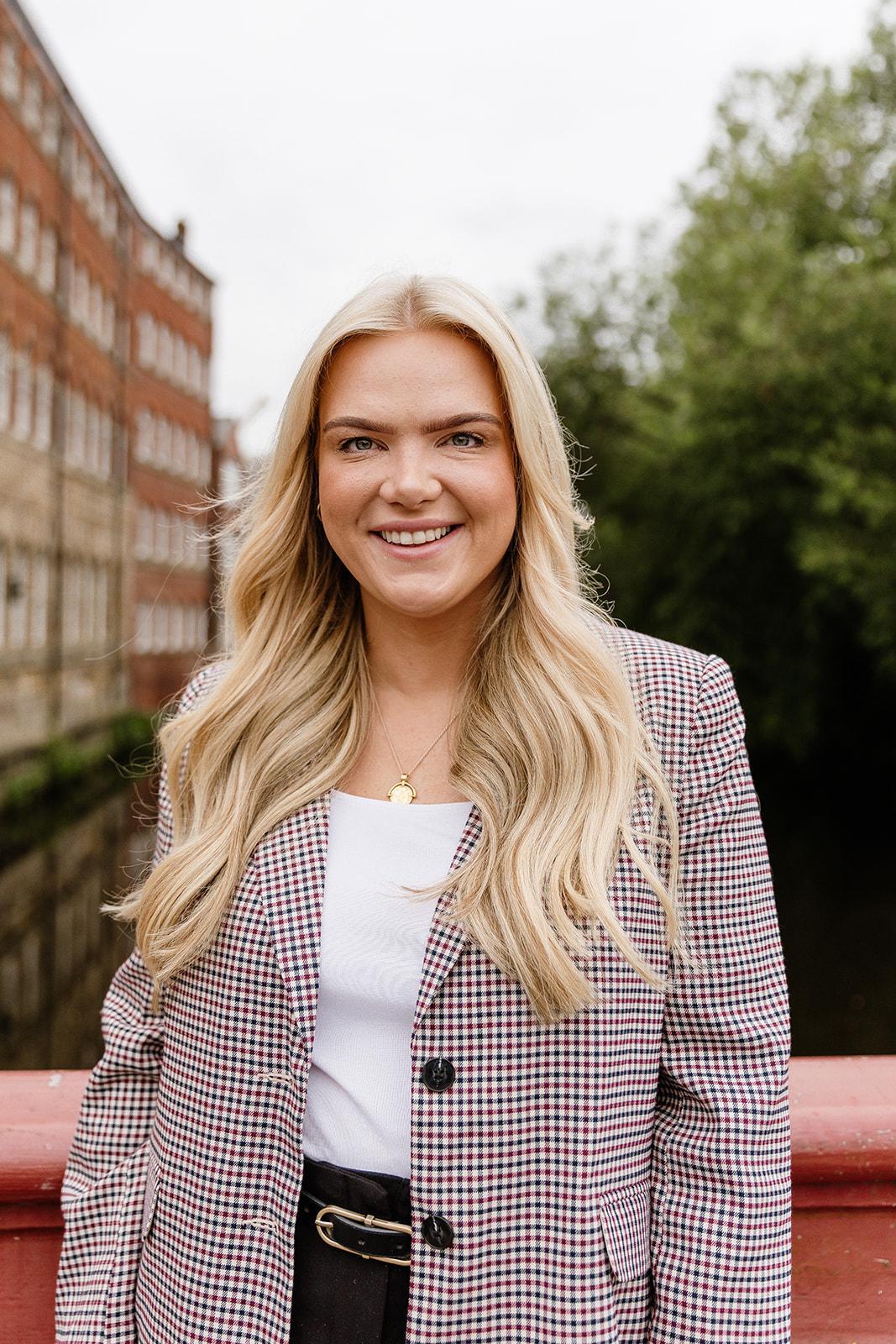
In Conversation with Tom Rumboll: Why Sustainability and Commercial Success Go Hand in Hand
Few leaders can point to a career spanning commercial banking, food redistribution, circular economy business models, and large-scale organisational transformation, while consistently delivering growth and long-term value for customers, employees and shareholders. Tom Rumboll is one of them.
Having spent 14 years at Lloyds Banking Group before moving into senior leadership roles at Company Shop and later SYNETIQ, Tom has built a reputation for combining commercial discipline with people-first leadership and a strong focus on operational execution.
At SYNETIQ, a business formed through the merger of industry operators within the vehicle salvage and recycling sector, Tom played a central role in shaping strategy, driving integration and overseeing a period of significant growth and transformation. This culminated in a £233m strategic exit less than three years after formation, following a period of rapid scaling, operational improvement, and commercial development.
Today, through TR Advisory, Tom works with boards, shareholders and leadership teams to support business transformation, value creation, M&A preparation and strategic growth.
While sustainability is often treated as a standalone agenda item in many organisations, Tom’s perspective is grounded in lived operational experience. He sees it not as a separate initiative, but as something that should be embedded into how businesses are designed, operated and scaled.
We sat down with Tom to explore leadership, transformation, sustainability and why he believes the most successful organisations are those that stop waiting for perfect conditions and start making progress.
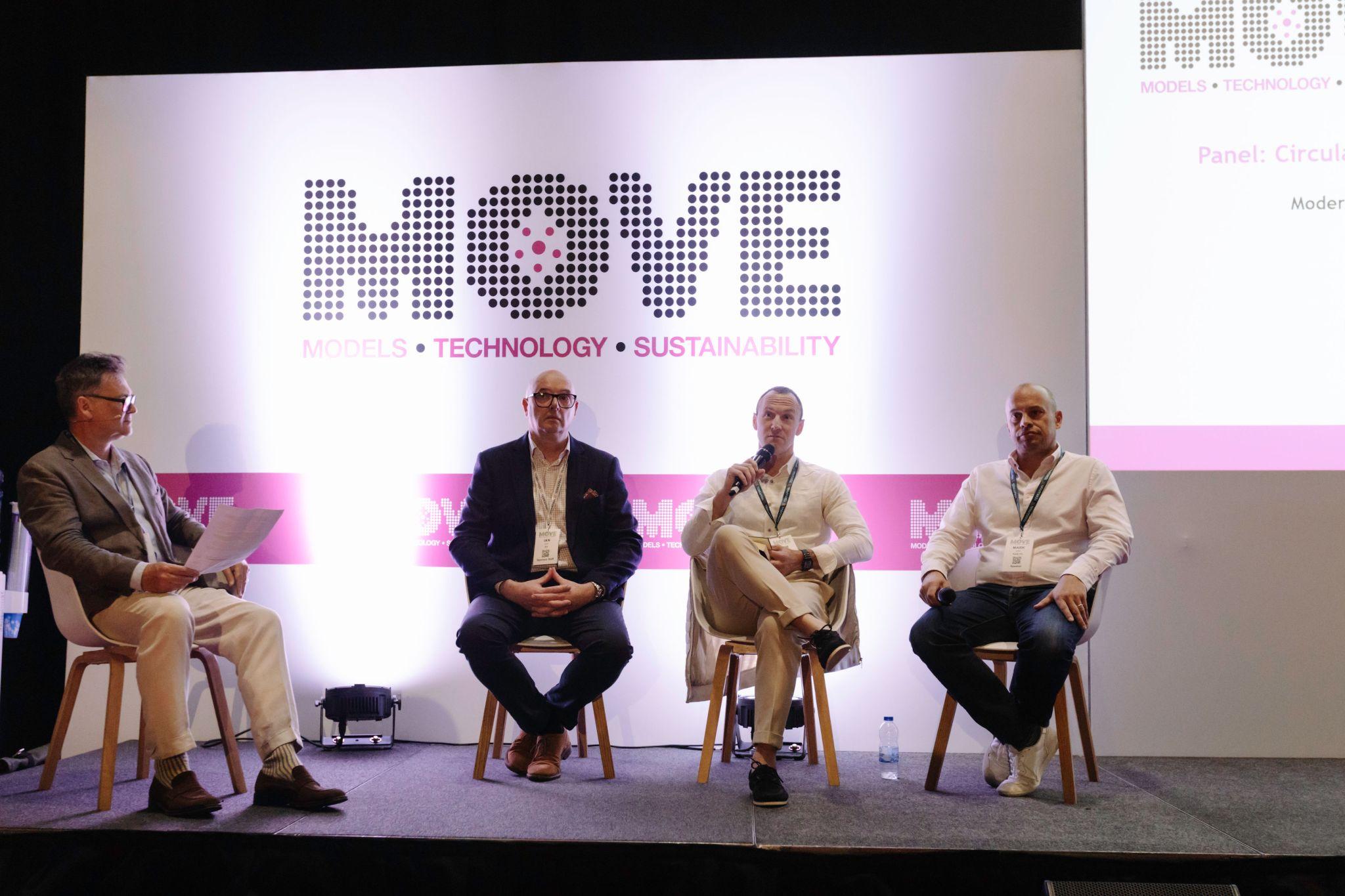
You've led businesses through significant growth, transformation and exit. Looking back, what leadership lessons stand out most?
One of the biggest lessons is that outcomes are usually determined long before you see them on paper. When we brought together the businesses that became SYNETIQ, a huge amount of focus went into what the organisation would look like after the merger, not just completing the deal itself. I often say, "We planned for the marriage, not just the wedding".
That meant addressing difficult questions early. Who leads? How do decisions get made? What does governance look like? How do we build a culture that works across multiple legacy organisations? Most transformations don’t fail because of strategy. They fail because of people, alignment and execution. Good people and good processes give you good outcomes.
Sustainability has been a consistent theme throughout your career. What does it actually look like in practice?
For me, sustainability only works when it’s real and embedded in the way a business operates. In the organisations I’ve worked in, sustainability wasn’t something added on afterwards. It was already part of the core model - whether that was reducing waste, operating within a circular economy, or improving how resources are used.
The opportunity then is to build around that foundation and enhance it with better measurement, better reporting and better storytelling. One of the things I’m quite disciplined about is making sure claims are properly evidenced. "We’re doing some really great stuff. Let’s evidence it, report it, then talk about it." If you don’t do that, you risk slipping into greenwashing - and that damages trust far more than not saying anything at all.
Just as important is making it real for people inside the organisation. Sustainability can’t sit purely at board level. It has to be understood by employees, connected to their day-to-day work and reflected in the culture.
When that happens, it stops being a programme and becomes part of how the business behaves.
There’s still a perception in some organisations that sustainability comes at a cost. What’s your view?
I’ve never really seen it that way. The challenge is that many organisations treat sustainability as something they bolt onto an existing operating model. If you do that, it will often feel like additional cost and complexity. But if you take a step back and ask a simpler question - if we were designing this business today, what would the smartest and most efficient model look like - the answer is often both more commercial and more sustainable.
Reducing waste, improving logistics, optimising energy use and eliminating unnecessary activity all tend to improve both environmental and financial performance.
"There is nothing mutually exclusive about making money and doing good." That’s one of the biggest misconceptions in this space. In many cases, sustainability isn’t about trade-offs - it’s about better design.
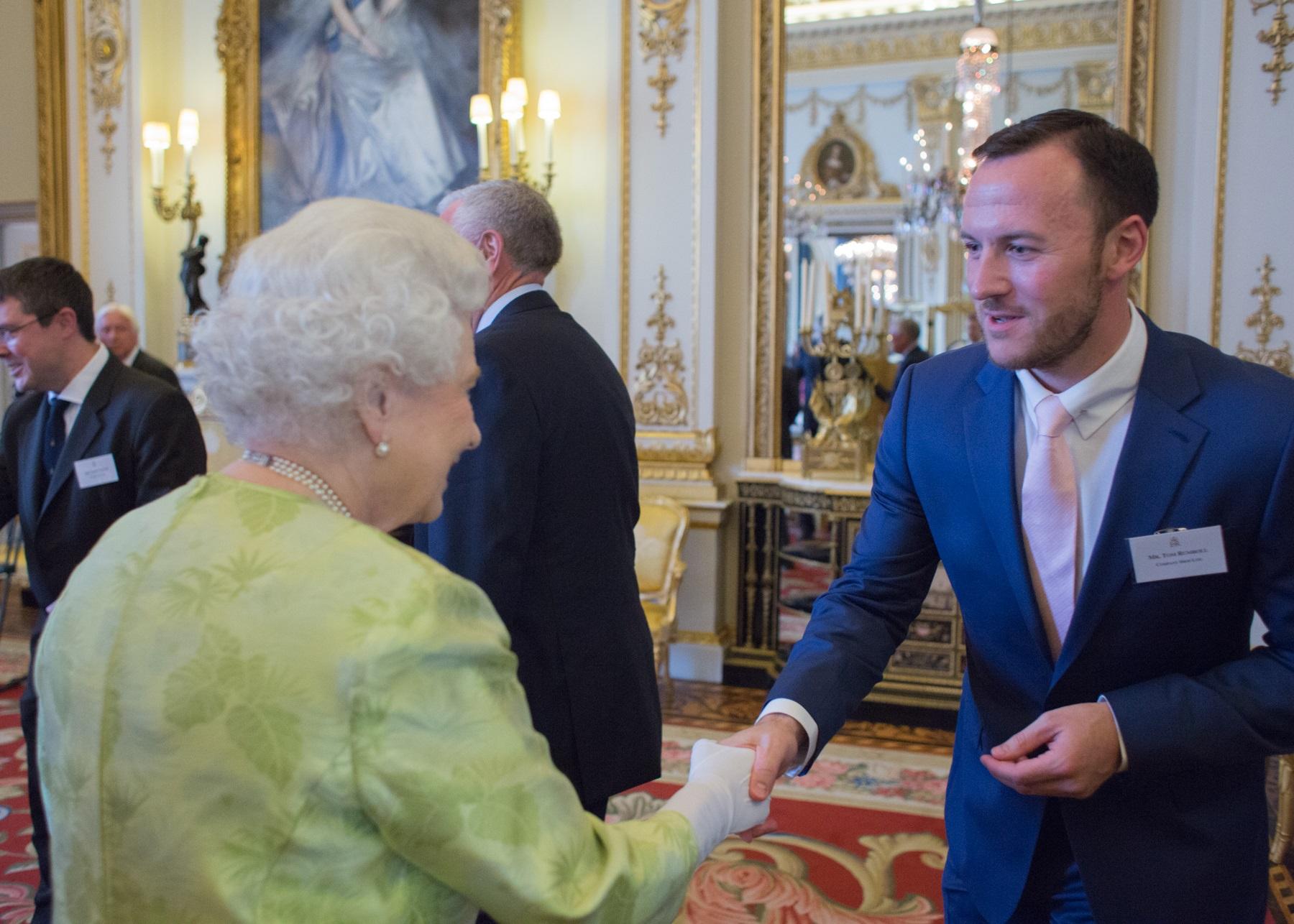
What do you think businesses still get wrong when it comes to sustainability?
A lot of organisations get stuck trying to be perfect. They focus on what they can’t immediately solve, rather than what they can improve right now. That leads to paralysis.
My view is much simpler: "Can we be better tomorrow than we are today?"
If the answer is yes, start there.
Progress comes from consistent, incremental improvement - not from waiting until everything is fully figured out.
Businesses don’t need to have all the answers before they begin. They simply need the willingness to take the next step.
Looking ahead, how do you see sustainability evolving for businesses?
I think it becomes more important, not less. You’re already seeing pressure from customers, employees and investors shift in that direction. Over time, that will only increase.
But the organisations that succeed won’t be the ones treating sustainability as a separate initiative. It will be those that embed it into how they operate, how they make decisions and how they create value. The strongest businesses don’t separate commercial performance and sustainability. They design them to reinforce each other.
Ultimately, sustainability is not simply an environmental issue - it’s a business issue, a leadership issue and, increasingly, a human issue. The organisations that recognise that earliest will be best positioned for the future.
What’s one thing leaders should stop doing and one thing they should start doing?
Stop waiting. Stop waiting for perfect conditions, more data, more incentives, or external permission.
Start somewhere. Build knowledge, develop capability, learn as you go, and keep moving forward. Most meaningful change starts with action, not certainty.
And one resource I would strongly recommend to businesses at any stage of their sustainability journey is The Carbon Literacy Project. I worked closely with the organisation during my time at SYNETIQ and saw first-hand the impact it can have in helping individuals and businesses better understand sustainability and climate-related challenges. The programme provides practical, accessible learning that helps people connect sustainability to their everyday decisions, both at work and at home. For organisations looking to build knowledge, engage employees and create momentum, it’s an excellent place to start.
Across the conversation, one theme consistently emerges: sustainability and commercial success are not competing agendas.
Tom’s perspective is shaped by years of experience leading organisations through growth, integration, and change. Rather than viewing sustainability as an external obligation, he sees it as part of designing better businesses - more efficient, more resilient, and better aligned with long-term value creation.
Throughout our discussion, he repeatedly returned to the importance of education, awareness, and action. Whether through formal initiatives such as carbon literacy training, operational improvements, or simply encouraging employees to think differently about the impact of their decisions, his belief is that meaningful progress starts with understanding and engagement.
For leaders navigating increasing complexity and competing priorities, his message is deliberately simple: Don’t wait for perfect. Start making progress.
Further Resource
For businesses looking to build sustainability awareness across their workforce, Tom recommends exploring the work of The Carbon Literacy Project and the practical learning programmes it provides for organisations and individuals alike.
If you're looking to enquire about consultancy support for your business, you can reach Tom at TR Advisory at tom.rumboll@tradvisory.co.uk.